
Tuesday, February 17, 2026
QR Code Marketing: Strategies That Drive Sales
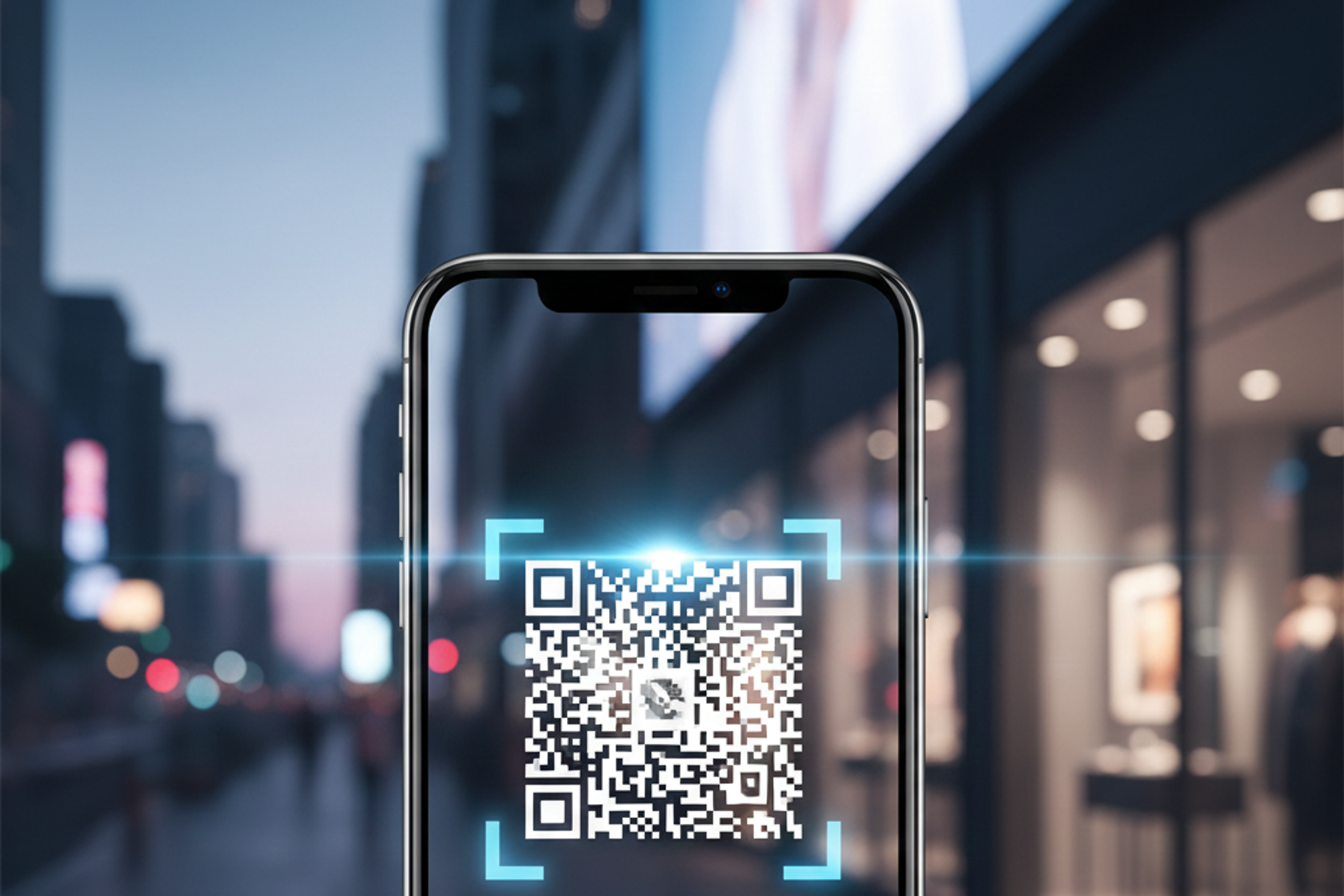
QR code marketing has become essential for brands that want to connect offline and online experiences. When implemented strategically, QR codes can increase engagement, drive conversions, and provide valuable data about your customers. This guide covers everything you need to know about building effective QR code marketing campaigns that actually drive sales.
What Is QR Code Marketing?
QR code marketing is the practice of using Quick Response codes in promotional campaigns to bridge the gap between physical and digital touchpoints. A QR code is a two-dimensional barcode that stores information, such as URLs, contact details, or text. When scanned with a smartphone camera or QR code reader app, it instantly directs users to digital content.
QR codes have evolved from simple promotional tools to sophisticated marketing assets that track user behavior, segment audiences, and deliver personalized experiences. They're particularly powerful because they lower the friction between discovering a brand message and taking action. Instead of typing a long URL or searching for a product, customers simply point their phone at a code.
Modern QR code marketing typically involves three key components: the physical or digital placement of the code, the content or experience it links to, and the tracking and analytics that measure performance. This combination creates measurable marketing opportunities across retail stores, restaurant menus, billboards, packaging, social media posts, and email campaigns.
The appeal lies in simplicity and speed. A customer can move from seeing an advertisement to visiting a website, completing a purchase, or signing up for a service in seconds. For marketers, QR codes provide click-through data, location information, and conversion metrics that inform future strategy. Unlike traditional advertising, QR code campaigns are inherently trackable and optimizable.
Why QR Codes Are a Marketing Powerhouse in 2026
QR code adoption has accelerated significantly over the past few years. Global QR code transaction value is projected to exceed $2.5 trillion by 2026, driven by mobile payment adoption and digital-first consumer behavior. More importantly for marketers, smartphone camera integration (which no longer requires a separate app) has removed technical barriers to scanning.
Several factors make QR codes particularly effective in 2026 marketing strategies:
Mobile-First Consumer Behavior. Consumers now expect instant access to information. QR codes deliver this by eliminating the step of manually entering a URL or searching online. They're especially valuable in retail environments, where customers can instantly check product reviews, pricing, availability, or competitor comparisons.
Offline-to-Online Bridge. QR codes uniquely solve the attribution problem between offline marketing and online conversions. A customer sees a print ad, scans the code, and your analytics immediately track the conversion. This data helps justify marketing spend and optimize placement decisions.
Cost Efficiency. Creating and distributing QR codes is inexpensive compared to other marketing channels. A properly used dynamic QR code can be updated without reprinting physical materials, making campaigns flexible and responsive to performance data.
Rich Customer Data. Each scan generates valuable information: when the scan occurred, where it happened, what device was used, and what content was viewed. This data enables segmentation, personalization, and retargeting strategies that improve long-term customer value.
High Engagement Rates. QR code marketing campaigns consistently show engagement rates between 20-40%, depending on placement and relevance. For comparison, traditional print ads average 1-2% response rates. Mobile users who scan codes are also more likely to convert because they've demonstrated active interest.
Versatility Across Industries. Whether you operate a restaurant, retail store, real estate office, or event venue, QR codes adapt to your needs. They can link to menus, product pages, booking systems, event registrations, or WiFi networks.
The 5-Step QR Code Marketing Strategy Framework
A successful QR code marketing campaign follows a repeatable framework that balances planning, execution, and optimization.
Step 1: Plan Your Campaign Goal and Audience
Before creating any QR codes, define what success looks like. Are you driving foot traffic to a retail location? Increasing email list signups? Promoting a limited-time offer? Collecting customer feedback?
Next, identify your target audience and where they'll encounter the QR code. A QR code placed on a billboard needs to account for scanning distance and timing, while a code on a product package targets existing customers. The placement determines the code's size, design, and the content it should link to.
Also consider the user experience. If someone scans the code while driving, they shouldn't be directed to a form that requires typing information. If they're in a retail environment, the landing page should load quickly on a mobile device.
Step 2: Create Engaging QR Code Content
The destination matters as much as the code itself. A well-designed QR code that links to a slow-loading, irrelevant page will damage trust and discourage future scans.
Best practices include:
- Mobile-responsive landing pages that load in under 2 seconds
- Clear value proposition (what the user gets for scanning)
- Minimal friction (no unnecessary forms, just download or view content)
- Strong call-to-action that explains what happens after the scan
- Relevant, fresh content that matches the marketing message
Use a custom QR code generator if you want to add branding elements like logos or colors. This increases brand recognition and can improve scan rates by 20-30% compared to plain black-and-white codes.
Step 3: Deploy Across Your Marketing Channels
QR codes perform well in multiple channels:
- Print marketing: Flyers, brochures, direct mail, business cards
- Packaging: Product boxes, labels, shipping materials
- Signage: In-store posters, window displays, billboards
- Digital: Email newsletters, social media posts, landing pages
- Events: Admission tickets, event programs, booth displays
- PR: Press releases, media kits
Each placement should be tested before full rollout. Print a few samples to verify that codes scan cleanly and load the intended destination.
Step 4: Track and Measure Performance
Dynamic QR codes allow you to track scans in real time. Monitor these metrics:
- Total scans and scan rate (percentage of people exposed who scanned)
- Geographic data (which locations generated the most scans)
- Device type and OS (iOS vs. Android for optimization)
- Time and day of scan (when audiences are most receptive)
- Conversion data (what happened after the scan)
Integrate QR codes with your analytics platform. UTM parameters in the destination URL help QR code tracking within Google Analytics or your preferred analytics tool. QR code Google Analytics integration reveals the customer journey from scan to conversion.
Step 5: Optimize Based on Data
The tracking data should inform ongoing adjustments. If one location generates 3x more scans than another, replicate that placement strategy. If mobile conversion rates are low on certain devices, test a mobile-first redesign of the landing page.
Seasonal variations matter too. A QR code on summer merchandise might perform poorly in winter. Refresh content and messaging to match audience needs and current events.
QR Code Marketing Ideas by Industry
QR codes adapt to virtually any industry, but implementation varies based on customer behavior and sales cycles.
Retail and Ecommerce
Retailers use QR codes on product displays to link to customer reviews, size guides, inventory availability, or augmented reality product previews. Placing codes on receipts encourages customers to leave reviews or sign up for loyalty programs. QR codes on packaging can unlock exclusive content or repeat purchase incentives.
Nike uses QR codes on shoe boxes to link to training videos and exclusive content, enhancing the unboxing experience and building brand loyalty.
Restaurants and Food Service
QR code menus have become standard in the industry. Restaurants generate codes that link to digital menus, which can be updated instantly without reprinting. Some use codes to collect customer feedback or promote loyalty programs. Codes on delivery packaging can link to repeat order promotions.
Starbucks integrated QR codes into their mobile ordering system, allowing customers to scan for contactless payments and loyalty rewards.
Real Estate
Real estate agents place QR codes on property signs to provide property details, photo galleries, and scheduling options without phone calls or office visits. Codes on business cards link to agent profiles and portfolio information. Virtual tour links through QR codes have become especially valuable post-pandemic.
Events and Ticketing
Event organizers use QR codes on tickets for contactless entry verification. Codes in event programs link to speaker bios, sponsor information, or schedule details. Post-event QR codes encourage attendees to share feedback or register for future events.
Music festivals and conferences use QR codes to streamline registration, provide venue maps, and enable mobile ticketing.
How to Create a QR Code for Your Marketing Campaign
Creating a QR code takes just a few minutes. Here's the step-by-step process:
Step 1: Prepare Your Destination URL
Decide what the QR code will link to. This might be a product page, email signup form, event registration link, or coupon. Test the link in a mobile browser to ensure it loads correctly and displays well on small screens.
Step 2: Choose a QR Code Generator
Use a free QR code generator or premium tool depending on your needs. Free generators work well for simple, single-use codes. Premium generators offer tracking, customization, and dynamic codes that can be edited after creation.
Popular options include native generator tools that store tracking data, allow custom colors, and provide analytics dashboards.
Step 3: Configure Your Code Settings
If using a dynamic QR code, set up tracking parameters. Add UTM parameters to your destination URL to track campaign performance in Google Analytics. For example: https://yoursite.com/offer?utm_source=qr&utm_medium=print&utm_campaign=spring-sale
Step 4: Customize the Design (Optional)
Add your logo, brand colors, or custom frame text. Keep the design simple enough that the code remains scannable. Ensure sufficient contrast between the code and background.
Step 5: Download and Test
Download the QR code in high resolution (ideally vector format for printing). Test it with at least three different smartphone cameras before deploying. Verify that it scans correctly, loads the right page, and displays properly on mobile.
Step 6: Deploy and Monitor
Place the code in your marketing materials. Monitor scan activity through your analytics platform. Watch for any technical issues or unexpected user behavior.
Real-World QR Code Marketing Examples That Drive Results
Examining successful implementations reveals principles that work across industries.
Coca-Cola Promotional Campaign
Coca-Cola integrated QR codes into bottle labels linking to exclusive digital content, music samples, and limited-time promotional offers. The campaign increased engagement with younger audiences and provided direct data on consumption patterns across regions. The strategy demonstrated that even established brands could use QR codes to create interactive experiences that drive both online engagement and offline sales.
McDonald's Menu and Ordering
McDonald's deployed QR codes on in-store displays and kiosks to provide menu details, nutritional information, and ordering options. The implementation reduced friction in the ordering process and collected valuable data on customer preferences and menu popularity. This informed both inventory management and menu optimization.
L'Oréal Beauty Product Integration
L'Oréal placed QR codes on cosmetic packaging linking to beauty tutorials, shade-matching tools, and ingredient information. The strategy converted packaging into an interactive marketing asset that extended brand engagement beyond the purchase moment. Customers who scanned codes showed higher repeat purchase rates and lifetime value.
Starbucks Loyalty Integration
Starbucks uses QR codes throughout their ecosystem, from printed loyalty cards to email promotions. Scanning provides points, personalized offers, and mobile payment functionality. This seamless integration encouraged app adoption and created habitual behavior that increased customer frequency and spending.
Nike Product Launches
Nike creates limited-edition QR codes on product packaging that unlock exclusive digital content, training programs, and community access. The codes often link to behind-the-scenes videos or athlete interviews, building emotional connection and justifying premium pricing. The campaign generated high engagement and strong social media amplification.
Event Ticketing and Management
Conference organizers implement QR codes on admission tickets for contactless entry verification and real-time attendance tracking. Post-event codes in program materials link to speaker slides, event highlights, and registrations for upcoming events. This data reveals which sessions generated the most interest and informs future event planning.
Dynamic vs. Static QR Codes: Which Should Marketers Use?
The choice between dynamic and static QR codes depends on your campaign requirements and budget.
Static QR Codes vs. Dynamic QR Codes
- Cost: Static (Free to very low) / Dynamic (Moderate to high)
- Editability: Static (Cannot be changed) / Dynamic (Can be updated anytime)
- Tracking: Static (None) / Dynamic (Full analytics available)
- Expiration: Static (Never expires) / Dynamic (Depends on service)
- Use Cases: Static (One-time promotions, permanent signage) / Dynamic (Campaigns requiring optimization, retargeting)
- Best For: Static (Small businesses, simple campaigns) / Dynamic (Enterprise, complex multi-channel campaigns)
Static QR codes are ideal for one-time use or permanent installations where the destination won't change. They're free to generate and don't require ongoing management. However, they provide no tracking data and can't be updated if you need to change the destination URL.
Dynamic QR codes cost more but offer flexibility and analytics. You can change the destination URL without reprinting materials, track who scanned the code and when, and A/B test different landing pages using the same physical code. For serious marketers, the cost is typically justified by the insights and optimization opportunities.
For most professional marketing campaigns, dynamic codes are worth the investment because they provide the data needed to measure ROI and continuously improve performance.
Measuring QR Code Marketing ROI
Measuring return on investment requires connecting scans to actual business outcomes.
Key Metrics to Track
Scan Rate and Volume. Monitor total scans and scan rate (scans divided by impressions) to understand how effectively your placement drives action. Typical scan rates range from 5-15% depending on placement and design.
Geographic Performance. Where are scans coming from? Track location data to identify which retail locations, regions, or cities generate the most engagement. This guides future placement decisions and media buying.
Device and OS Data. Does one device or operating system show significantly higher conversion rates? This data informs your landing page optimization priorities.
Click-to-Conversion Rate. How many people who scan the code complete the desired action (purchase, signup, download)? This reveals whether your landing page is effective or needs redesign.
Attribution and Revenue. QR code tracking should ultimately connect to revenue. Use QR code Google Analytics or your business intelligence platform to track which campaigns drive the most valuable customers.
ROI Formula
ROI = (Revenue from QR Campaign - Campaign Costs) / Campaign Costs x 100
Campaign costs include design, printing/placement, QR code service fees, and landing page development. Revenue includes direct sales, qualified leads, or customer lifetime value from acquired customers.
Integration with Google Analytics
Add UTM parameters to your QR code destination URLs to track campaign performance within Google Analytics. For example: utm_source=qr&utm_medium=print&utm_campaign=product-launch. This makes campaign performance data immediately available within your analytics platform without requiring separate tools.
For more advanced tracking, see the guide on QR code Google Analytics integration.
7 Common QR Code Marketing Mistakes (and How to Avoid Them)
Understanding common pitfalls helps you execute more effectively.
1. Poor Code Placement. Placing a QR code where people can't easily scan it (too high, too small, on a moving vehicle) wastes the opportunity. Ensure codes are at eye level, at least 2cm x 2cm in size, and positioned where people have time to scan.
2. Unclear Value Proposition. If people don't understand why they should scan the code, they won't. Always include descriptive text like "Scan for exclusive discount" or "See how it works."
3. Slow or Irrelevant Landing Pages. Users who scan codes expect instant gratification. A page that takes 5+ seconds to load or doesn't match the campaign message will disappoint them. Test landing page performance aggressively.
4. Static Codes Only. Using static codes when dynamic QR codes are appropriate means missing optimization and tracking opportunities. For any significant campaign, invest in dynamic codes.
5. Ignoring Mobile Experience. Remember that virtually all QR scans happen on mobile devices. If your landing page isn't mobile-optimized, you'll lose conversions. Test on multiple devices and screen sizes.
6. Over-Complicated Design. Adding excessive branding elements or overcrowding the code with design elements can prevent scanning. Keep the design clean and test scanability before deployment.
7. No Analytics or Measurement. Creating QR codes without tracking their performance wastes the opportunity for insights. Always set up analytics from day one to understand what works.
The Future of QR Code Marketing: What's Coming in 2026 and Beyond
QR code technology continues to evolve, creating new opportunities for marketers.
Integration with Emerging Technologies. Augmented reality and QR codes are converging, allowing scanners to experience interactive 3D visualizations, virtual try-ons, and immersive brand experiences. This layer of interactivity will drive higher engagement and longer session durations.
Artificial Intelligence and Personalization. QR codes will increasingly link to AI-powered experiences that adapt content based on user data, location, device, and previous interactions. Each scan might trigger a unique, personalized experience rather than showing the same content to everyone.
Voice and Visual Search Integration. As voice and visual search technologies mature, QR codes will compete with alternative methods for accessing digital content. However, codes will remain valuable for specific use cases where immediate, certain access matters more than search flexibility.
Sustainability and Offline-First Design. Marketers will continue embracing QR codes as a sustainable alternative to print marketing, allowing full campaign updates without reprinting materials. Codes that sync with offline inventory and CRM systems will become standard.
Privacy-First Tracking. As privacy regulations tighten, QR code analytics will evolve toward cookieless, privacy-respecting tracking methods. Codes will remain attractive to privacy-conscious consumers compared to digital tracking alternatives.
For marketers, the essential takeaway is that QR codes aren't a fading trend. They're a foundational technology that enables efficient connections between offline and online experiences, with tracking and personalization capabilities that continue to expand.
Frequently Asked Questions About QR Code Marketing
What is QR code marketing and how does it benefit my business?
QR code marketing uses Quick Response codes in promotional campaigns to connect customers to digital content or experiences. Benefits include increased engagement, trackable conversions, cost efficiency, and the ability to bridge offline and online touchpoints. When implemented strategically, QR codes drive measurable sales increases.
Which industries benefit most from QR code marketing?
Retail, restaurants, real estate, events, and hospitality see the strongest QR code results. However, any industry where customers make purchasing decisions or where offline-to-online attribution matters can benefit. Healthcare, banking, and nonprofits are expanding QR code usage effectively.
How do I track QR code performance and ROI?
Use dynamic QR codes that provide scan data, then integrate with Google Analytics using UTM parameters. Track metrics like scan volume, geographic source, device type, and conversion rate. Compare total revenue generated to campaign costs to calculate ROI.
Should I use dynamic or static QR codes?
Use static codes for one-time, permanent applications. Use dynamic QR codes for campaigns where you need tracking, ability to update the destination, or A/B testing. For most professional marketing, dynamic codes deliver better ROI.
What makes an effective QR code marketing campaign?
Effective campaigns combine clear value proposition, strategic placement, mobile-optimized landing pages, tracking and measurement, and continuous optimization based on data. They also include descriptive text explaining why users should scan.
Can QR codes expire or stop working?
Static codes don't expire. Dynamic QR codes depend on service uptime. See the detailed guide on do QR codes expire for complete information. Reputable providers maintain 99.9%+ uptime.
How should I test QR codes before launching a campaign?
Print samples and test scanning with multiple smartphone cameras. Verify that codes scan cleanly, load the correct destination, and display properly on mobile devices. Test at the size and distance people will encounter them in real use.
What's the ideal size for QR codes in marketing materials?
Minimum recommended size is 2cm x 2cm (about 0.8 inches), though larger is better for outdoor or distance scanning. Ensure sufficient white space around the code and good contrast with the background.
Can I customize QR codes with my brand colors or logo?
Yes, using a custom QR code generator allows you to add brand colors and logos. Keep customization subtle to ensure scanability. Test that customized versions scan as reliably as standard black-and-white codes.
What happens after someone scans a QR code in my marketing campaign?
They're directed to a mobile-optimized landing page you specify. This might be a product page, email signup form, event registration, discount code, menu, or any digital content. The landing page should clearly show the value offered and make the next action obvious.